
Starting a business is exciting, but there are a few legal decisions worth making carefully before you start signing contracts, taking on customers, or bringing in a business partner.
One of the first is choosing the right business structure.
For many Texas business owners, forming a limited liability company, or LLC, can provide a practical structure for owning and operating a business. But forming an LLC involves more than submitting a certificate to the Texas Secretary of State. Ownership, management, financial arrangements, and what happens if the business changes later should all be considered from the beginning.
At the Law Offices of Kate Smith, PLLC, we help business owners in Colleyville and throughout North Texas understand their options and address the legal issues involved in forming and operating a business.
What Is an LLC?
A limited liability company is a business structure recognized under Texas law. An LLC can have one owner or multiple owners, and Texas law provides flexibility in how the company is managed and governed.
One reason business owners choose an LLC is the separation between the company and its owners. Generally, an LLC provides liability protection for its members, although that protection is not absolute and does not eliminate every potential form of personal liability.
The structure can also accommodate different ownership arrangements. Depending on the circumstances, an LLC may be owned by individuals or other entities, including certain trusts, estates, partnerships, and corporations.
The important question is not simply whether you can form an LLC. It is whether an LLC is the right structure for what you are trying to build.
What Is Required to Form an LLC in Texas?
A Texas LLC is formed by filing a certificate of formation with the Texas Secretary of State. The Texas Business Organizations Code establishes the requirements for formation, including information concerning the entity, registered agent and registered office, and other required details.
The Texas Secretary of State currently lists a $300 filing fee for a certificate of formation for an LLC.
Filing the certificate is an important step, but it is only part of setting up the business properly.
Before filing, business owners should think about questions such as:
- Who will own the company?
- Who will manage it?
- How will profits and losses be handled?
- What happens if an owner wants to leave?
- Can an owner’s interest be transferred?
- What happens if the owners disagree?
- How will the business handle the death or incapacity of an owner?
- What happens if you eventually want to sell the company?
Those questions become much more important when an LLC has multiple owners.
Why an Operating Agreement Matters
Texas law does not require every LLC to have a written operating agreement in order to file its formation documents. That does not mean an operating agreement is unnecessary.
For many businesses, the operating agreement is one of the most important documents the owners will have.
It can establish how the company will be managed, how decisions will be made, how ownership interests are handled, and what happens in situations that may not have been anticipated when the business was first created.
This becomes particularly important when two or more people own a business together.
Imagine that two friends start a company and each owns 50 percent. Everything works well for the first few years. Then one wants to sell his interest, while the other wants to keep running the business.
Without a clear agreement addressing that situation, a disagreement can become much more complicated.
A properly prepared operating agreement can give the owners a framework for dealing with those situations before they become disputes.
Should You Form an LLC Yourself?
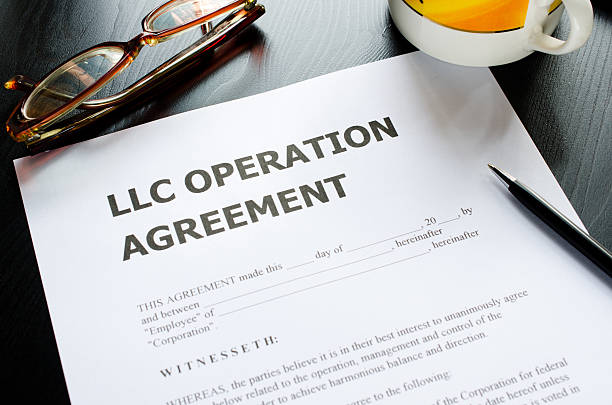
There is certainly a difference between being able to file an LLC and understanding how the company’s legal structure should work.
Online formation services can make filing relatively simple. But a filing service generally does not know your business, your relationship with your partners, your long-term plans, or the particular risks your company may face.
That distinction matters.
A business owner starting a consulting company alone may have very different needs from three partners opening a professional practice together. A family-owned business may have different concerns from a company expecting outside investors.
The legal structure should reflect those differences.
An attorney can help you look beyond the formation filing and consider the agreements and ownership arrangements that may become important as the business develops.
LLC Formation for Businesses With Multiple Owners
Multiple-owner businesses deserve particular attention during formation.
When several people invest money, contribute property, provide services, or take responsibility for running the company, the owners should have a clear understanding of their respective rights and responsibilities.
An operating agreement may address matters such as:
- Ownership percentages
- Contributions by each member
- Management responsibilities
- Voting and decision-making
- Distribution of profits
- Adding a new owner
- Selling or transferring an ownership interest
- Buyout provisions
- What happens when an owner dies or becomes incapacitated
- Resolving disputes between members
These issues may not seem urgent when everyone is getting along. They can become extremely important when the relationship between business owners changes.
What About an LLC and Your Personal Life?
For many business owners, the line between business and personal life is not as clear as it sounds.
A company may be a family’s primary source of income. A spouse may work in the business. Both spouses may have an ownership interest. Or the business may eventually become one of the most valuable assets owned by a married couple.
That is one reason business formation can intersect with other areas of law.
For example, business ownership can become an important issue during a divorce. Determining whether an interest is separate or community property, valuing a business, and deciding how an ownership interest should be handled can involve complicated financial and legal questions.
Business owners who are married may therefore want to think about these issues when establishing or restructuring a company.
Our Business Law practice includes assistance with LLC and LP formation, as well as other business matters such as buyouts, acquisitions, mergers, and independent contractor agreements.
What If You Already Have an LLC?
Not every business needs to start over.
If you already formed an LLC through an online service or years ago and have never reviewed the company’s governing documents, it may be worth having an attorney take a closer look.
Businesses change.
You may have added another owner, changed the way the company is managed, taken on new investments, entered into significant contracts, or expanded into new areas of business.
Your legal documents should keep pace with those changes.
An attorney can review the company’s existing documents and help identify areas that may need to be updated.
When Should You Talk to an LLC Formation Attorney?
You do not necessarily need to wait until there is a legal dispute to speak with a business attorney.
In fact, formation is often one of the better times to get legal advice because important decisions can be addressed before they become difficult or expensive to change.
Consider speaking with an attorney if:
- You are starting a new business with one or more partners
- You are unsure whether an LLC is the right structure
- You need a customized operating agreement
- You are bringing an investor into the business
- You are changing ownership
- You are buying an existing business
- You are concerned about a potential dispute between business partners
- Your existing business documents no longer reflect how the company operates
The goal is not to make the process more complicated than it needs to be. It is to make sure the legal structure supports the business you are actually building.
LLC Formation FAQs
How much does it cost to form an LLC in Texas?
The Texas Secretary of State currently charges a $300 filing fee for an LLC certificate of formation. Attorney fees and other costs may apply depending on the services you need, such as preparation of a customized operating agreement or additional business documents.
Do I need an operating agreement for my Texas LLC?
Texas does not require every LLC to file an operating agreement with the Secretary of State. However, a written operating agreement can be extremely valuable because it establishes rules for ownership, management, decision-making, and other issues affecting the company.
Can one person own a Texas LLC?
Yes. Texas law permits LLCs with one or more members. The appropriate structure depends on the business and the owner’s goals.
Is an LLC enough to protect my personal assets?
An LLC can provide liability protection between the company and its owners, but that protection is not unlimited. Properly maintaining the business and addressing the company’s legal and financial affairs appropriately are important parts of protecting the separation between the business and its owners.
Can I change my LLC after it is formed?
Yes. Businesses can evolve, and Texas law provides mechanisms for amending company documents and addressing changes in the company’s structure. The appropriate process depends on what you need to change.
Start Your Business With the Right Legal Structure
Forming an LLC may be one of the first legal steps you take as a business owner, but it can have consequences well beyond the initial filing.
Taking the time to think through ownership, management, operating agreements, and future changes can help you avoid problems later.
If you are forming a business in Colleyville, Southlake, Grapevine, Keller, or elsewhere in North Texas, the Law Offices of Kate Smith, PLLC can help you evaluate your options and address the legal side of getting your business established.
Learn more about our Business Law services or contact the firm at 817-479-0534 to schedule a consultation.